Eyepieces, Barlows, New Telescope and ConfusionPosted By Vincent Bert |
I would second the advice to get a barlow and eyepeice combination that would give you around 250X but no more as this approaches the theoretical maximum magnification for your aperature, (an 8mm plossl and 2X barlow will do the trick) I recommend the Celestron Ultima 2X barlow. If you already have a 10mm, then barlowing it will give you 200X but on some real steady nights you might want just a bit more magnification. You can also gain a bit more magnification by sliding the 10mm a little way out of the barlow and then engaing the set screw. It will be great on Mars, the Moon and Jupiter, Saturn when they appear later in the fall. For a good planetary eyepiece you need not spend much money, the Celestron adn Meade Plossls put out fine planetary images. Also, if your scope accepts a 2" diagonal, William Optics has a good one for 99 bucks. A quality diagonal is an important part of the optical train, it accepts 2" eyepieces but will also accept 1 1/4" eyepeices with the supplied adapter. you might also want a good 2" widefield eyepiece, something in the 24mm to 20mm range (41X and 50X in your scope) The televue Naglers are really great, but very expensive. Meade has some nice 2" wide angle eyepieces for a much more reasonable price and they perform very well.
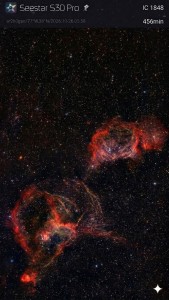
As far as viewing deep sky objects, I hate to disappoint you but they will not look like the photos. At first they will appear to you only as dim smudges but after your eye gets trained by observing these objects, I dont mean just taking a casual glance, but really observing, you will begin to see detail in them. Getting to a dark sky site is a must to get the best deep sky performance from your scope as city light pollution is a real killer of these objects. However, you will get very fine views of the moon and planets, double stars from light polluted skies as they are bright enough that no detail is lost (in the case of planets some folks say it is enhanced) by light pollution.
About the star diagonal reversing the image, most of us just get used to it but you can buy and "erect image prism" that will give you properly oriented views but you will sacrifice image quality as it is not near the quality of a good mirror diagonal.
The color filters will enhance contrast on the planets. For Mars I use an orange filter to bring out the surface detail, and switch to a light blue to bring out the clouds and polar caps.
You have a fine refractor and should get much satifation from it. You will also get plenty of advice from this forum. for reading up on equipment and general observing I recommend going to cloudynights.com and read away. Hope this helps you, and welcome to this great hobby. Also if you have an astronomy club in your area join up, you will get a real education observing with other folks.
